How to recover offline Ubiquiti Unifi cloud key Controller

For whatever the reason your Unifi cloud key goes offline or after the firmware upgrade it shows offline, then you will lose access to UniFi Management Dashboard https://unifi.ubnt.com. This happens when there are firmware updates that corrupted, network issues, config changes or just got stuck after normal re-boot. I have helped a few small businesses with this issue. Sometime re-booting fixes the issues, but sometimes it does not. So here is what I end up doing to get back online, without waiting for their “UniFi 24/7 live tech support” because it takes a long time depending on the time of the day, I had to wait between 30 minutes to up to 2 hours one time. Worse if you re-fresh browser it may kick you out and will have to restart session again. So here is what I have done it may help out some users.

Few things you should know, one you should have a backup of configuration if you don’t and for some reason, if you have still had access to cloud key via browser, ssh then download the backup to your local computer. The process I am using here sometimes it picks up auto backup and sometimes it does not. Next, make sure you are on the same network as the cloud key and other Unifi devices. The third thing you may need to use the UniFi discovery plugin, I am using within Google chrome, which helps find the Cloud key IP in case it’s changed, not required since you can find via DHCP server or smart switch or router would have MAC/IP info.

Backups: location of autobackup is /data/autobackup

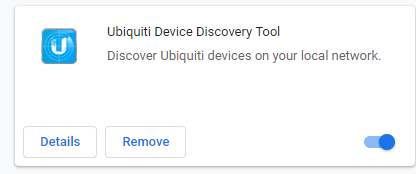
Google Chrome Plugin: Ubiquity Device Discovery Tool
Here is the start of the process, if you have access to the device via browser or ssh, then do a factory reset. Otherwise, do hard reset using a paper clip small hole on the key, Hold for five seconds or so until it’s restarting then release it, which is reset to default state.

Option 1: via GUI web browser

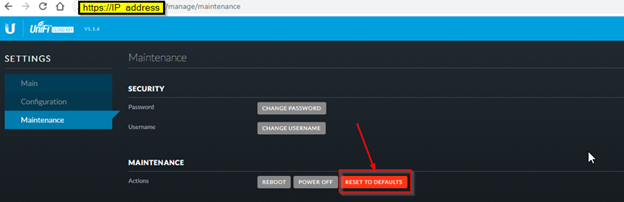
go to IP address of cloud key and login with your user/password or default should be (user: ubnt and password: ubnt).  Once logged in click on Maintenance>Reset To Defaults
Option 2: via SSH

Login then run command: ubnt-systool reset2defaults

Once you done the factory reset process using option 1, 2 or hard reset

Then login back via browser, default login user/pass:
User: ubnt
Pass: ubnt

To restore you will need to stop the UNIFI service in order to restore (you will see Restore is Grayed out since the server is running)
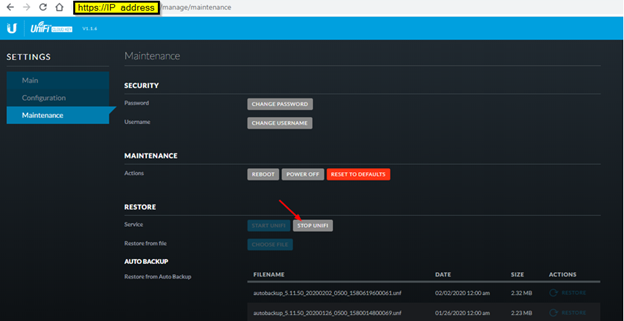
Once the Unifi service is stopped you can click on the Restore from auto backup or file you have on your local computer.
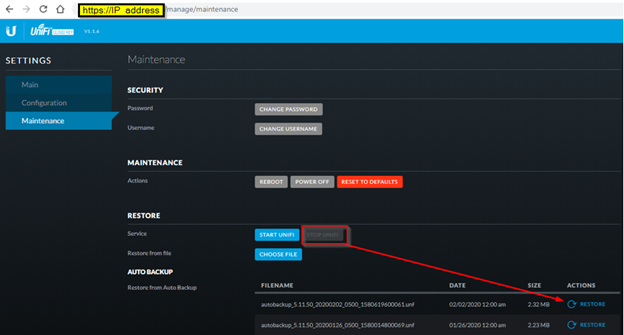
You will get confirm dialog, click Confirm
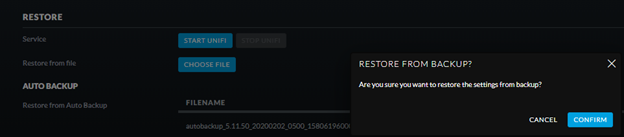
Once finish with restore, then you may need to start the Unifi service or it will reboot automatically

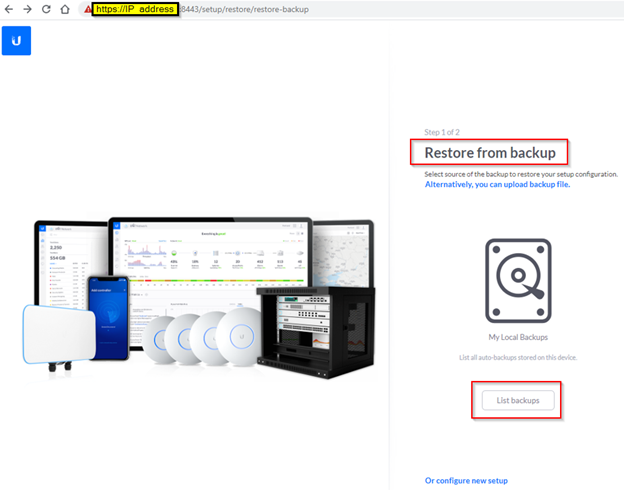
Then go to URL of your Unifi cloud key

You will have 3 options:

  • 1 Restore from the backup file
  • 2.  List backup if it detects, then you just choose
  • 3.  Configure new setup

Once you choose your restore option, just click on confirm to restore your backup
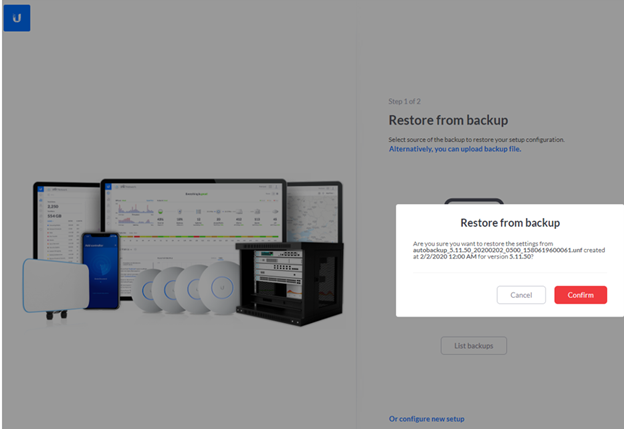
You should see “The system is being restored.  The controller will be restarted soon

Once it’s restarted and you able to log back as normal.  You can check for the upgrade and install it.
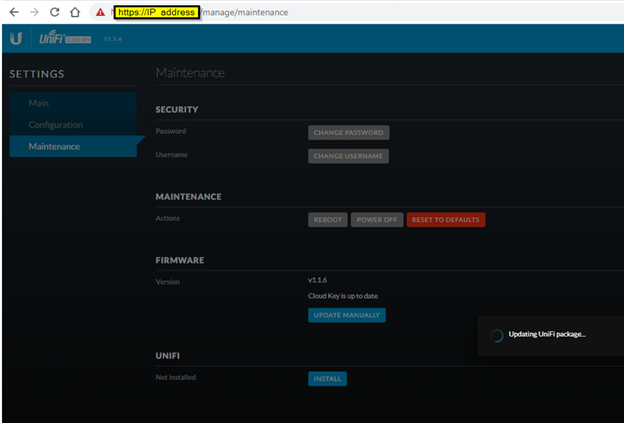
Your Ubiquiti WiFi controller should be back online on UniFi Management Dashboard https://unifi.ubnt.com hope this helps some of you are having issues.
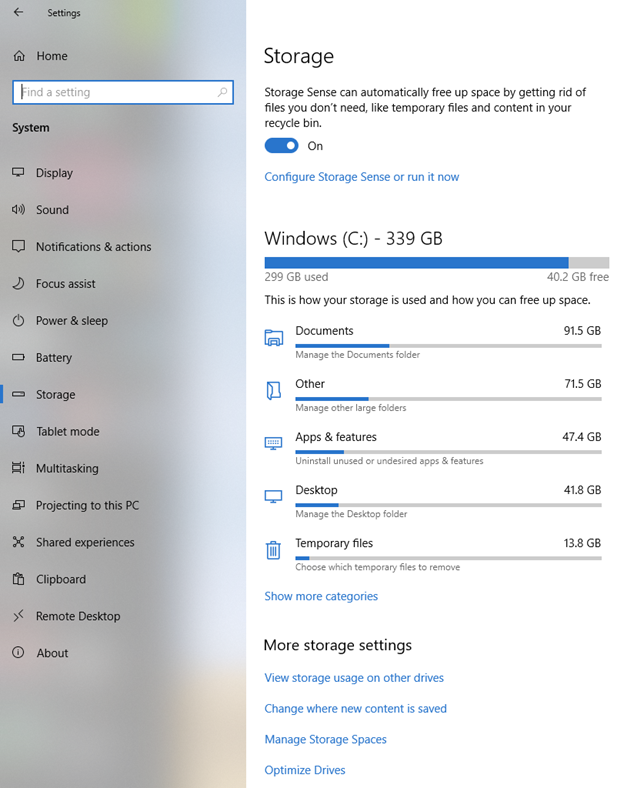
How to clean up temp files automatically on Windows 10

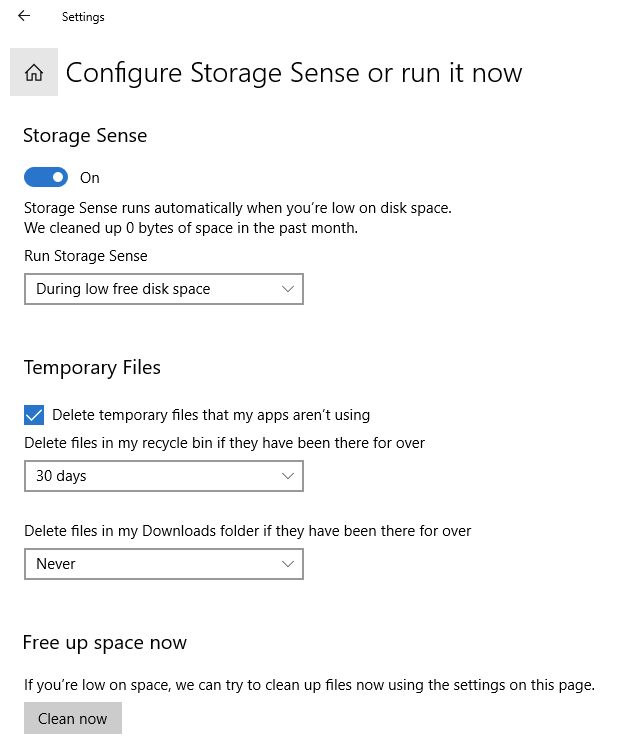
Many users ask if there is a way to clean up temp files automatically.  Well now you can with Windows 10, you can set it up to do for you.  Just be careful about what you select to clean up automatically.  I have taken screenshots here to give you an overview, but you can go to each category to see more details and settings options.  So make the selection that works for you and let the Windows 10 automatically clean up your temp files.  Many people don’t clean up.  The download folder is where you have download any files from the internet, it could anything like a photo, videos, software, etc… So you can choose to empty automatically or do it manually.  Also, emptying recycle bin, after you delete a file by default it does not empty recycle bit, you will have to do it manually or it will do for you automatically when you reach disk space low and will empty any files deleted over 30 days.

To get to storage settings:

Start>Settings (Gear Icon)>System>Storage

To configure Storage settings:

Click on Configure Storage Sense or run it now link

Choose the options that work for you, the screenshot shows you default settings.  If you want to make changes to Temporary Files take a look at the next screenshot

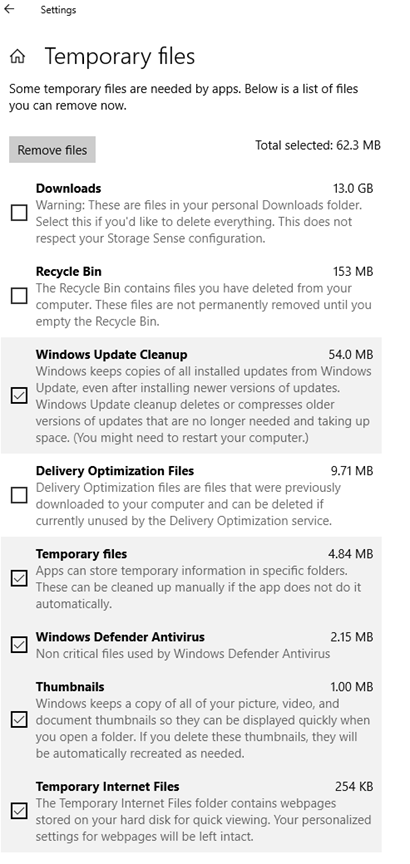
Start>Settings (Gear Icon)>System>Storage>click on Temporary Files

I had already run the clean up so don’t have much now, but I did have about 6 GB of Windows update, Temp files.  Select the options that work for you.  Common area people miss is the Download folder

That’s it, hope this helps out some people, each selection have many options you can choose the one that fits your needs, you can read little help sections about the selection to help you decide, if you should delete or keep some of the temp files.


How to manage your contacts on Android phone

Managing contacts are getting easier and it could also get confusing since there are many options to sync your contact with so many accounts types.  I am going to show you some options that might help you decide and manage contacts on your Android phone.  Make sure you have a good backup of your contact is a key because when you switch to a new phone/device or lose a phone/device and set up a new phone/device you will need to sync back your contacts.  How do you know which contacts are sync to which accounts?

How to see options to manage your contacts?

Open Contact app

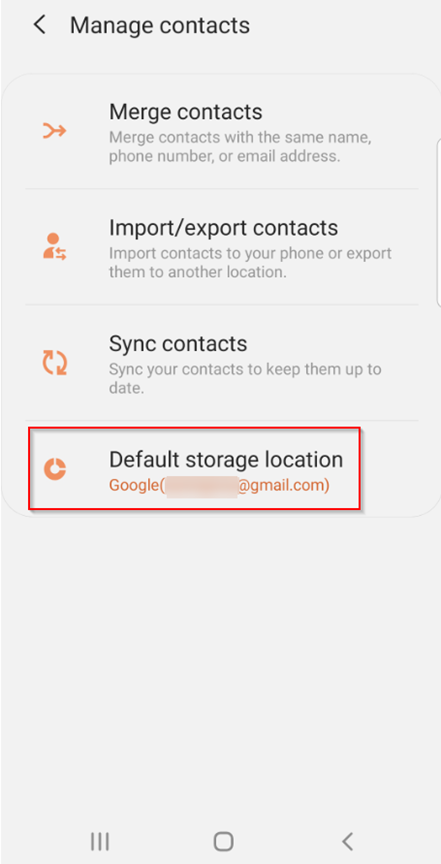
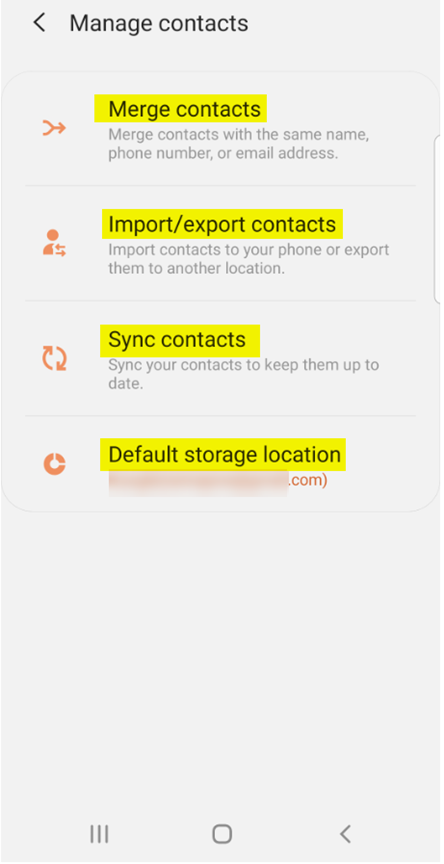
Then click on Menu and select Manage Contacts

  • Merge contacts
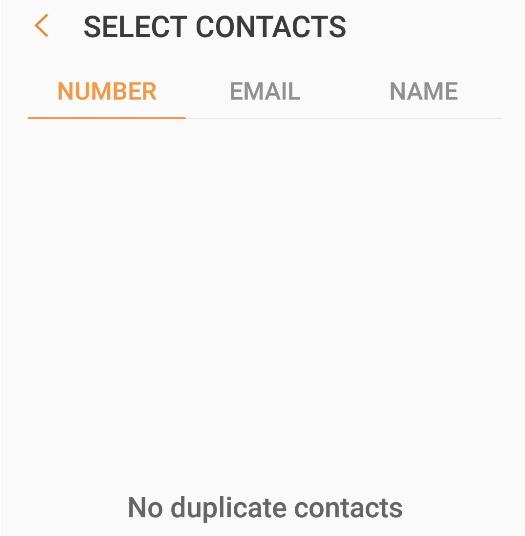
    • Able to help you find duplicate contacts, you might see 3 options: Number, Email, or Name
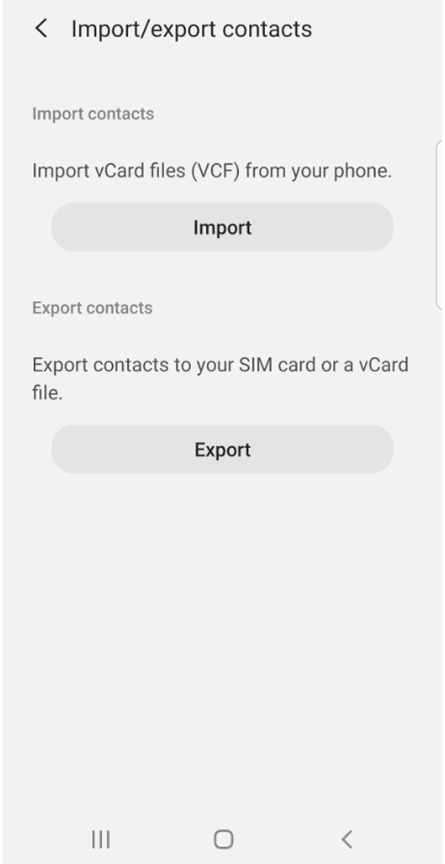
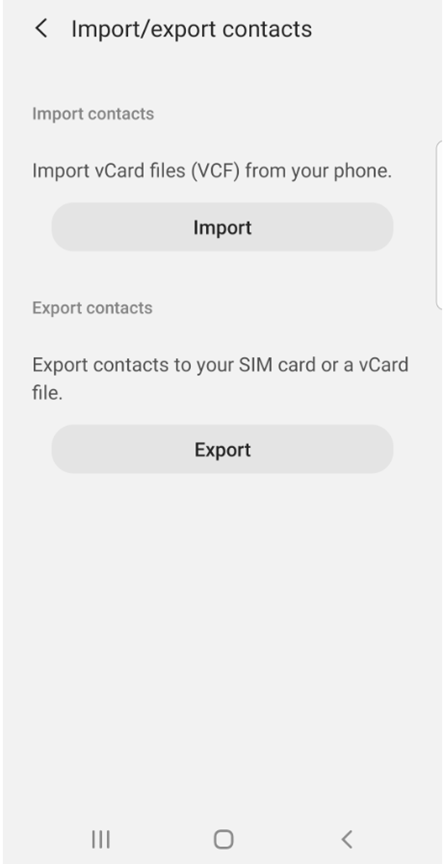
  • Import/export contacts
    • Allows you to Import contacts from one location to another
    • Allows you to Export contacts from one location to another
  • Sync contacts
    • This normally happens automatic, unless you have turned off
  • Default storage location
    • This is where your contact gets saved when you create a new contact by default unless you choose to save to another location
    • You might have different accounts one for personal another for Work contacts

How to merge contacts?

Sometimes you might have more than one contact with the same phone number, email or name. 


When you click on the Menu>Manage Contacts>Merge contacts

Merge contacts

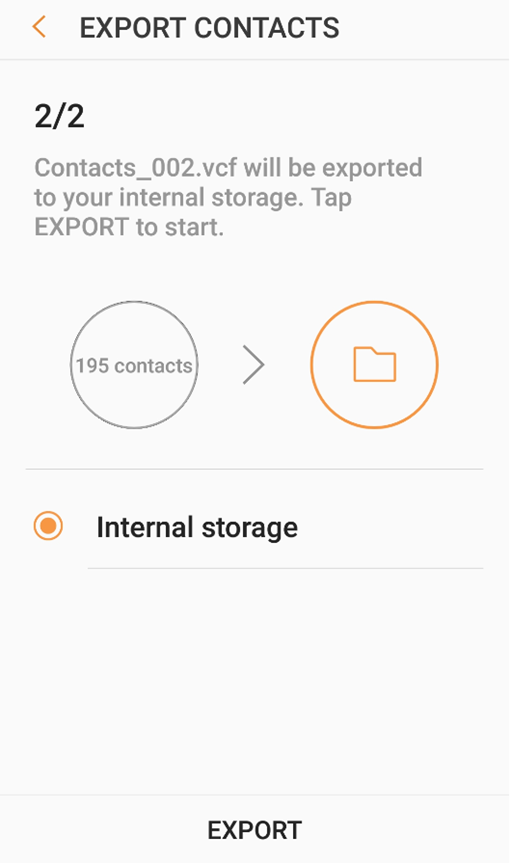
How to exporting Contacts:

Open Contact app

Then click on Menu and select Manage Contacts

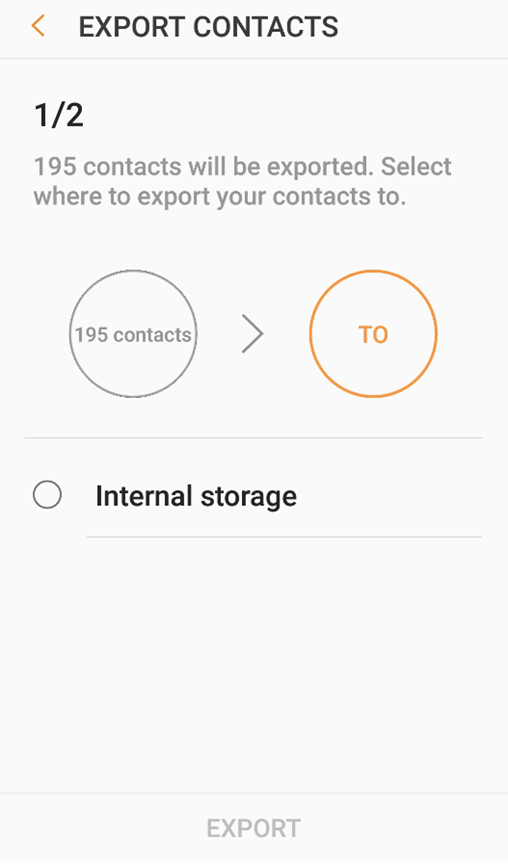
Select the option Import/export contacts>click on Export

Select where you want to export to, based on storage location you may have one or more options

Once you have made your selection, you can click on the Export to start exporting

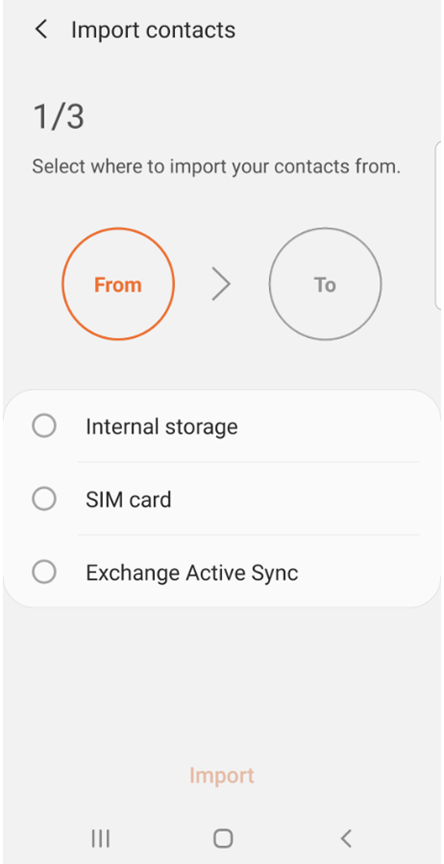
How to Import Contacts:

Open Contact app

Then click on Menu and select Manage Contacts

Select the option Import/export contacts

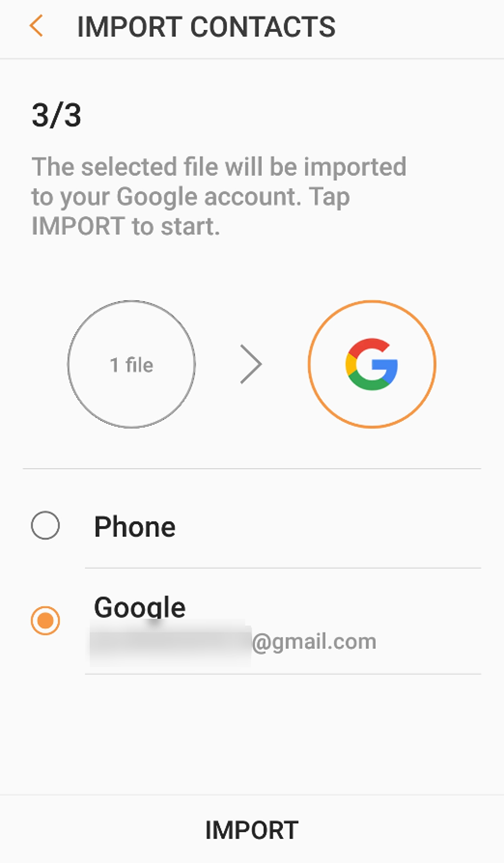
Select the location you want the contacts import from, this maybe different for you based on how many account you have on your phone

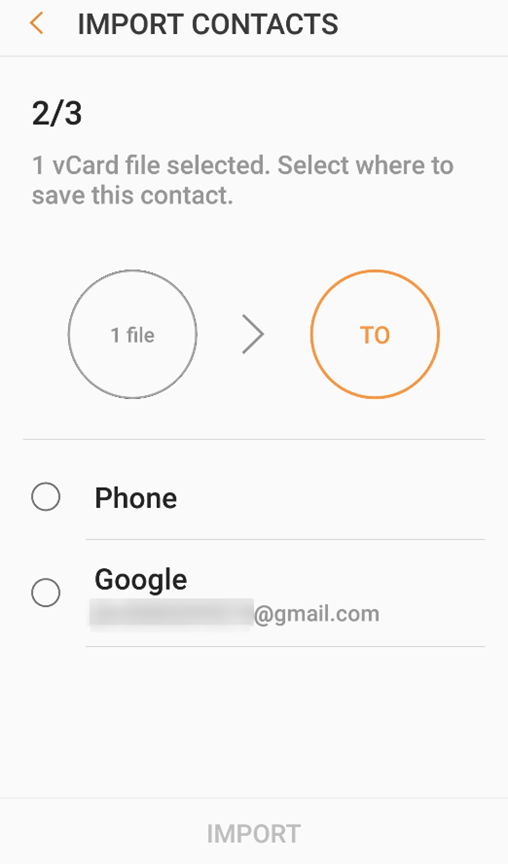
Then select where you want to import to, again this might be different based on accounts you have on your phone.

Once you made your selection, you can click on the Import to start the import process.

How to change the Default Location to save contact:

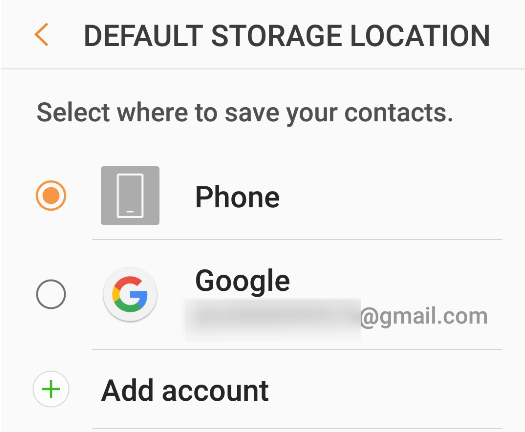
Open Contact app>Click Manage Contacts>Click on the Default storage location

You may see more or less options based on accounts you have on your phone.

That’s it, hope this helps out some people


How to upgrade Ubuntu Mate on the Raspberry Pi

Because of a remake from xenial to bionic, it’s not able to update automatically, you will have to change the source file list.  Before you make the change make sure your current version is updated and disk space to do an upgrade. You can

To update:

sudo apt update && sudo apt upgrade
Optional: To clean up unused packages no longer needed
sudo apt-get autoremove

Once you have all up to date, then try running apt dist-upgrade
You should see everything up to date and not able to see 18.04 LTS option

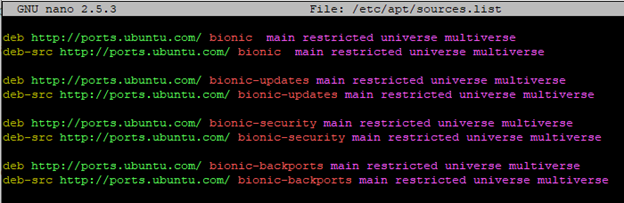
Now, modify the sources list via the editor of your choice /etc/apt/sources.list change all xenial to bionic, and then save the file

Before the sources file change screenshot:

After the sources file change screenshot:

Then check for the updates:
sudo apt update

After that, you need to remove a package from your system that prevents the upgrade:
sudo apt remove python3-aptdaemon.pkcompat

If you try to before removing python3-aptdaemon.pkcompat, you will get this error:

To start the upgrade


all packages on your system will be upgraded to Bionic versions.
sudo apt upgrade && sudo apt dist-upgrade

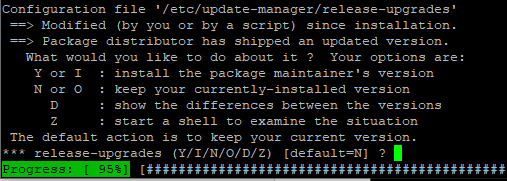
You might get some options to choose for some settings to be upgraded or keep the current version of packages. Default is N, I have chosen Y

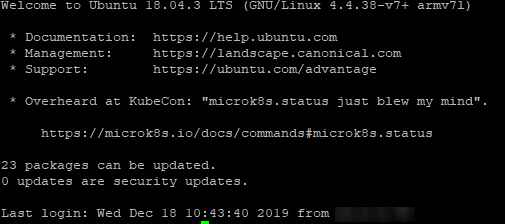
Once the upgrade is completed, Your Raspberry Pi will need to reboot. You should see a new version of Ubuntu MATE 18.04.

Some notes:

You might see around 68% looks like it’s stuck, but it’s just taking a long time

To check the version:
lsb_release -a

You might still need to fix some other packages that need to be upgraded or replaced if they don’t support the bionic version of it.


How to Uninstall Windows Defender from Windows Server 2016

Most servers have 3rd party Antivirus solution, so you don’t need or want Windows Defender on your server. Here is how to uninstall it, so you can free up the resources of your server. You can remove via server manager or using PowerShell.

You can run this command to check if Windows Defender is running:

sc query Windefend

SERVICE_NAME: Windefend
        TYPE : 10  WIN32_OWN_PROCESS
        STATE : 4  RUNNING
                                (STOPPABLE, NOT_PAUSABLE, ACCEPTS_SHUTDOWN)
        WIN32_EXIT_CODE    : 0  (0x0)
        SERVICE_EXIT_CODE  : 0  (0x0)
        CHECKPOINT         : 0x0
        WAIT_HINT          : 0x0

If you get this message, which means Windows Defender is not running your system:

[SC] EnumQueryServicesStatus:OpenService FAILED 1060:
The specified service does not exist as an installed service.

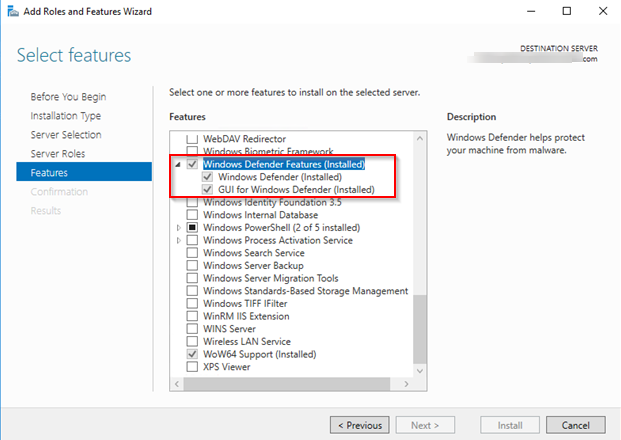
or check via GUI: from Windows server manager

Remove just Windows Defender GUI:

Run PowerShell in Administrator, which will remove GUI only:

Uninstall-WindowsFeature -Name Windows-Defender-GUI

To completely remove Windows Defender

Uninstall-WindowsFeature -Name Windows-Defender

Then, just restart your server to finish the process

You can check if your Windows Defender is really removed from your server by going back to server manager

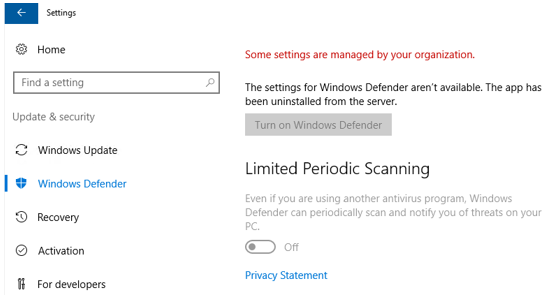
You can also check it by going to Settings>Update & Security>Windows Defender

Just in case you need to re-install Windows Defender back:

To install Windows Defender back for whatever reason, just service:

Install-Windows-Feature -Name Windows-Defender

To install Windows Defender with GUI:

Install-WindowsFeature -Name Windows-Defender-GUI

That’s it, hope you find it useful